

Why Homebuying with Pets Requires Extra Consideration
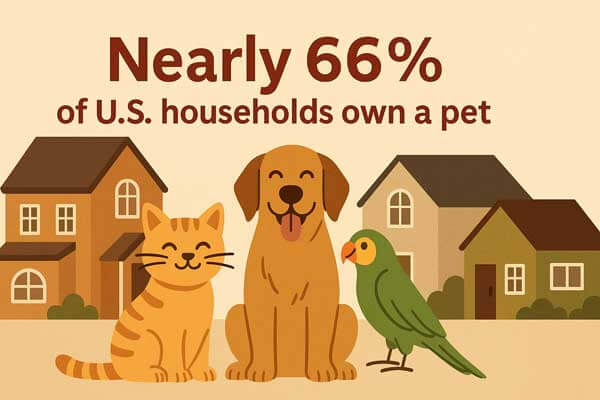
For many of us, pets aren’t just companions—they’re family. According to the American Pet Products Association (2023), nearly 66% of U.S. households own a pet. That’s over 86 million homes where decisions about real estate are made with paws, claws, or feathers in mind.
Buying a home with a pet means evaluating more than just square footage and commute times. Your ideal home should fit the lifestyle, safety, and comfort needs of your entire household—including your pets.
Prioritize a Pet-Friendly Yard
A spacious yard is often at the top of a pet owner’s list, especially for dog owners. But size isn’t everything.
Fencing and Safety
Ensure the yard is already fenced or that local ordinances and HOA guidelines allow fencing. Privacy fences offer security and help reduce stress for dogs who may react to passersby.
“A secure yard is one of the most overlooked yet essential components of pet-friendly living,” says Amanda Bowers, Certified Professional Dog Trainer (CPDT-KA).
Landscaping and Toxic Plants
Look for pet-safe landscaping. Some common plants like azaleas, sago palms, and lilies are toxic to pets (ASPCA, 2024). A visit to the yard before making an offer can help identify any potential risks.
Consider Pet-Safe Flooring
Flooring can affect your home’s longevity, cleanliness, and even your pet’s health.
- Hard surface floors like tile or luxury vinyl plank are durable and easy to clean.
- Carpet may trap allergens and odors and stain easily.
- Hardwood looks beautiful but can scratch under active paws.
Investing in scratch-resistant and water-resistant flooring will help preserve the home’s value while improving pet safety.
Check HOA Rules and Community Guidelines
Homeowners Associations (HOAs) often have specific regulations around pets.
Common HOA Rules Include:
- Breed and size restrictions
- Limit on the number of pets per household
- Noise ordinances (especially barking dogs)
- Fence height and type limitations
Always review a community’s CC&Rs (Covenants, Conditions & Restrictions) before signing a contract. You don’t want to discover your dog exceeds a weight limit after move-in.
Understand Local Laws and Breed Restrictions
Some states, counties, and cities have breed-specific legislation (BSL). For instance, breeds like American Pit Bull Terriers or Rottweilers may be banned or restricted in certain municipalities.
Use resources such as https://www.animallaw.info/ or your local city ordinances to confirm.
Additionally, some regions require pet licenses or limit the number of pets in a household. Make sure your furry family members are welcome before finalizing your purchase.
Proximity to Recreational Areas and Pet Services
Being near parks, trails, and off-leash dog parks can dramatically improve quality of life—for both you and your pet. Look for neighborhoods that provide:
- Walkable sidewalks and greenbelts
- Designated off-leash zones
- Nearby veterinary services and pet stores
- Grooming and boarding options
Many modern master-planned communities now feature dog parks as part of their amenities, appealing directly to pet owners.
Indoor Space for Pet Comfort
Think about how the indoor space will work for your pet’s lifestyle.
- Room for crates, beds, and litter boxes
- Safe stairways for older pets
- Pet-friendly zones like mudrooms or utility areas
Multi-level homes may not be ideal for pets with joint or mobility issues. Open floorplans may suit active pets better than tight spaces.
Your Pet Deserves the Right Home, Too
As a high-performing mortgage team, SFMC Home Lending understands that every buyer brings a unique set of needs—including the furry, feathered, or scaled members of the household. When choosing your next home, thinking like a pet parent now can help you avoid stress and costly renovations later.
Let our experienced loan officers help guide you through the process of finding a home where every family member feels at home.
References
- American Pet Products Association. (2023). Pet Industry Market Size & Ownership Statistics. Retrieved from https://www.americanpetproducts.org
- ASPCA. (2024). Toxic and Non-Toxic Plants List. Retrieved from https://www.aspca.org/pet-care/animal-poison-control/toxic-and-non-toxic-plants
- Animal Legal & Historical Center. (n.d.). Breed-Specific Legislation. Retrieved from https://www.animallaw.info/topic/breed-specific-legislation